



Giving an Old Frame Life Again
By Anabela Ferguson
Restoring a fragile, ornate frame feels like tending to something precious that’s slowly slipping away. Each time it’s lifted, tiny flakes of paint, gesso, and wood offer a reminder of just how delicate its structure has become.
I begin with the gentlest clean — a soft swab lightly moistened with distilled water and a touch of white vinegar. Because excess moisture can cause further damage, every movement is measured, patient, and intentional. When surface cleaning isn’t enough and deeper grime reveals itself, I test discreet areas first and use mild, carefully selected solutions to lift soot and residue without disturbing the original finish
.
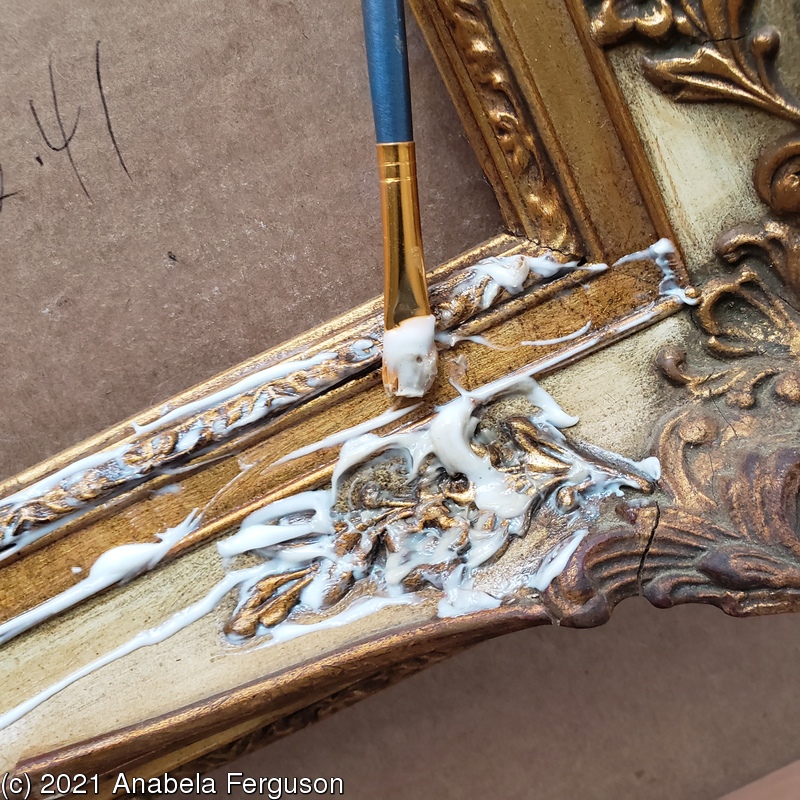
For the most stubborn areas, a slightly stronger cleaning mixture may be necessary. These solutions can release fumes that affect breathing and overall health, which is why the restoration of fragile, ornate frames is best entrusted to a trained professional — someone equipped to safeguard both the artwork and the environment around it.
You can see more of my work on my YouTube channel.
The Old and The New
By Anabela Ferguson
I came across a beautiful print a client brought to me a few weeks back. Sadly it was damaged by sun and poor environmental storage. It came from her parent's home. In this case the sun and home exposure had damaged it, but the use of acidic glues to attach to cardboard was the main cause of damage. My client's wish was to bring a few colors to life and enjoy the beauty of its form by keeping it as soft and more natural than the original. By communicating her wishes and desires, colors were softened and brought to the final image, now completed, matted and framed by Anabela's Gallery.
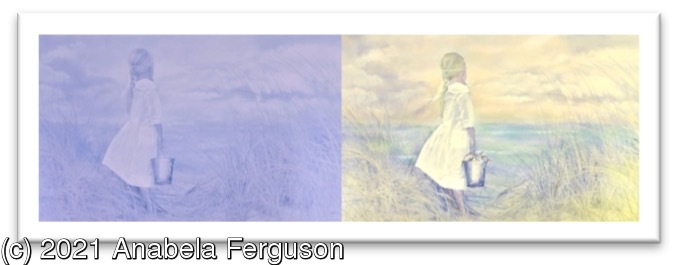
This next print was given to me by another customer wanting to bring the family favorite farm area photo to life by adding natural tints and values into the image. It was clear to me when working with both of these responsive and caring people the importance of restoring these old prints from problematic mounting and environmental exposure.

It is not always possible to apply art restoration on prints (www.anbela-artist.com/paper-art-restoration) if the print itself was mounted on poor surfaces and the use of acidic glues and mounting sprays are not possible to reverse. However Brush Strokes Fine Art LLC not only provides print restoration services to the community, but also offers an extended service in digital restoration using high resolution DSLR photographic. This involves shooting with a D3200 Nikon, followed by transferring to editing software for restoration, and then printing in acid free watercolor ink paper. This process can be used to transform an old, discolored print to its original state on fine art quality products. Museum framing is another service I provides to the community. As with all our services, allowing each client to decide what, and what not to add in the editing of an image, through to the most complicated of framing options is a core principle of our business.
For additional questions please drop me a line: Anabela@anabela-artist.com
Get Smart With Shipping
By Anabela Ferguson
One of the hardest things as an art restorer and conservator is to assess the state each piece of art that comes to my studio. Throughout the years I have come to realize that restoration is more complex than I originally thought, frequently examining a piece of art to find previous restorations done poorly from lack of knowledge and expertise, but also a result of mistakes by shipping companies.
If you are unfortunate enough to have some damaged artwork as a result of home damage, such as a roof or foundation leak, or a fire, take care when looking for a business to do the restoration. Many home/painting restoration businesses may claim to be able to restore your art, and it may be tempting to deal with a single business to do all the house and art restoration. However, many of these businesses will simply ship your work out to a third party - usually the cheapest one - to do the actual restoration. In this case you have little guarantee that the person performing the work understands the process involved in stabilizing canvas or linen for example. I would recommend seeking out a professional art restorer with the experience necessary to handle your specific works of art. Always ask questions - who will actually be doing the art restoration work? What experience do they have with your type of art work? Can they provide references? If you are working with your home-owners or personal property insurance, the insurance company will usually require a written estimate with details of what work will be performed.
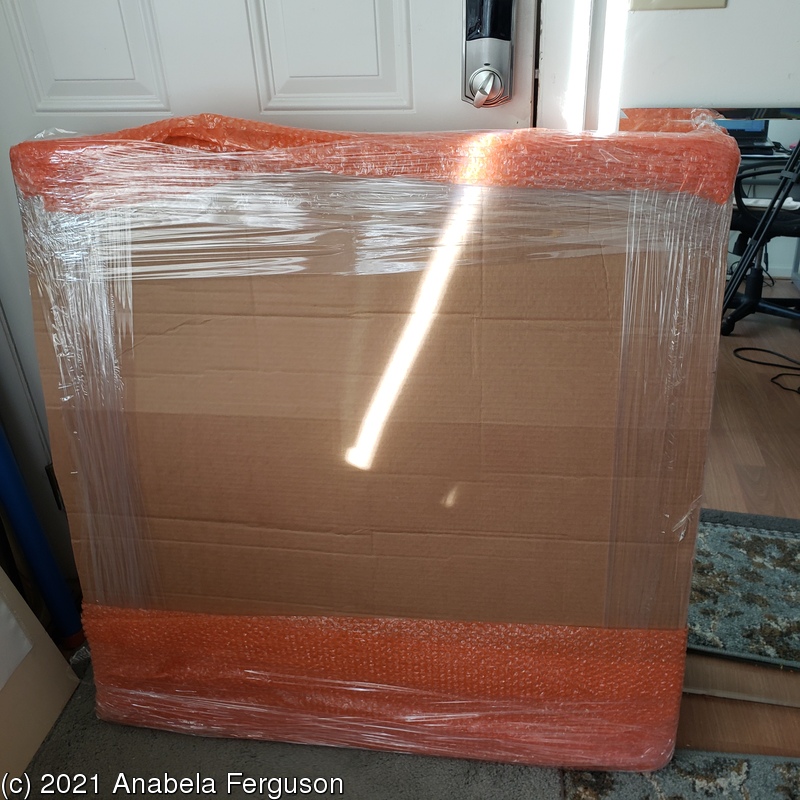 Great care must be taken when shipping your works of art to the restorer - it can be hard to comprehend the amount of abuse a package can experience when being shipped - from being dropped or crushed, continuous vibration, exposure to moisture or severe temperature extremes. Most shipping companies are not able to make suitable crates for a 17th century, or even 20th century piece! Many will just add bubble wrap, put it in a box, and hope for the best.
 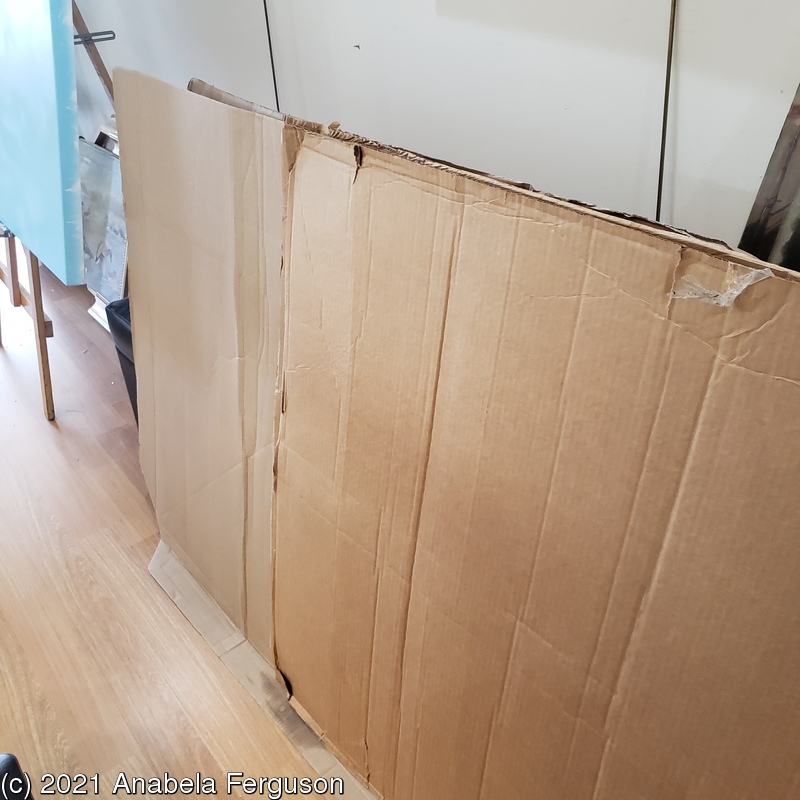 Did you know that paintings must be rolled outwards, not inwards? Rolling them inwards may cause crackling and severe damage. Additionally, you should use a loose tube (min. 8" tube) that is not too small or narrow for them and on the face of the painting add mylar film to protect painting from sticking to itself or tube. For any artwork behind glass, you should replace the glass with plexi for shipping, and then restore the museum glass when it arrives back in your possession. Also beware of popcorn foam! Vibration encountered during shipping resulting in the continuous rubbing and movement of the foam against the artwork can make it brittle.
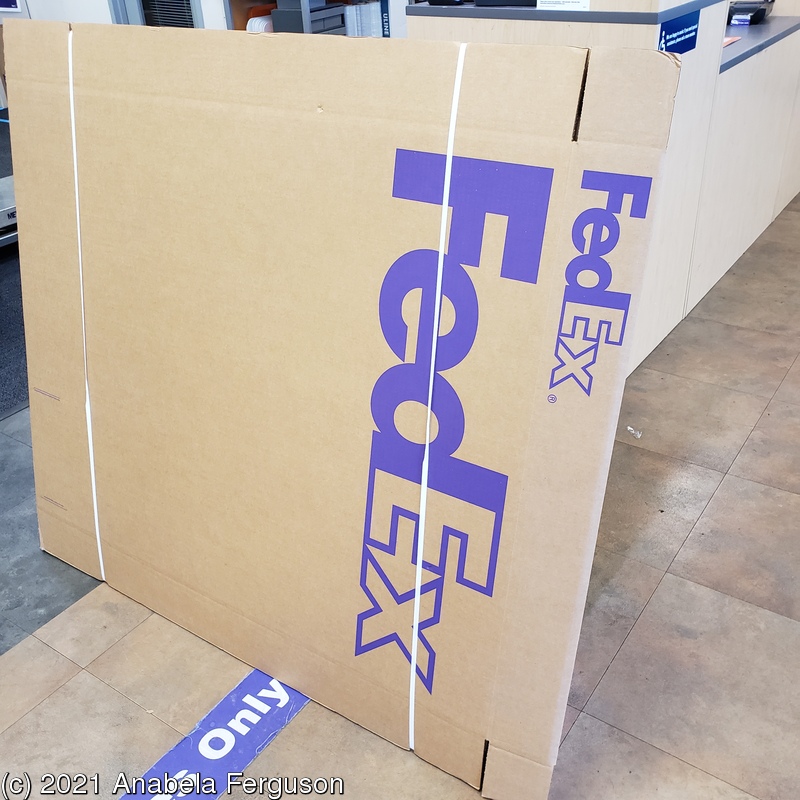 If you need to know more, check out my videos on YouTube or contact me at anabela@anabela-artist.com and I will be happy to assist you with any concerns. Furthermore, if you are in the local area of Northern Virginia, Washington DC or Maryland I am happy to offer you crates for your collectibles.